

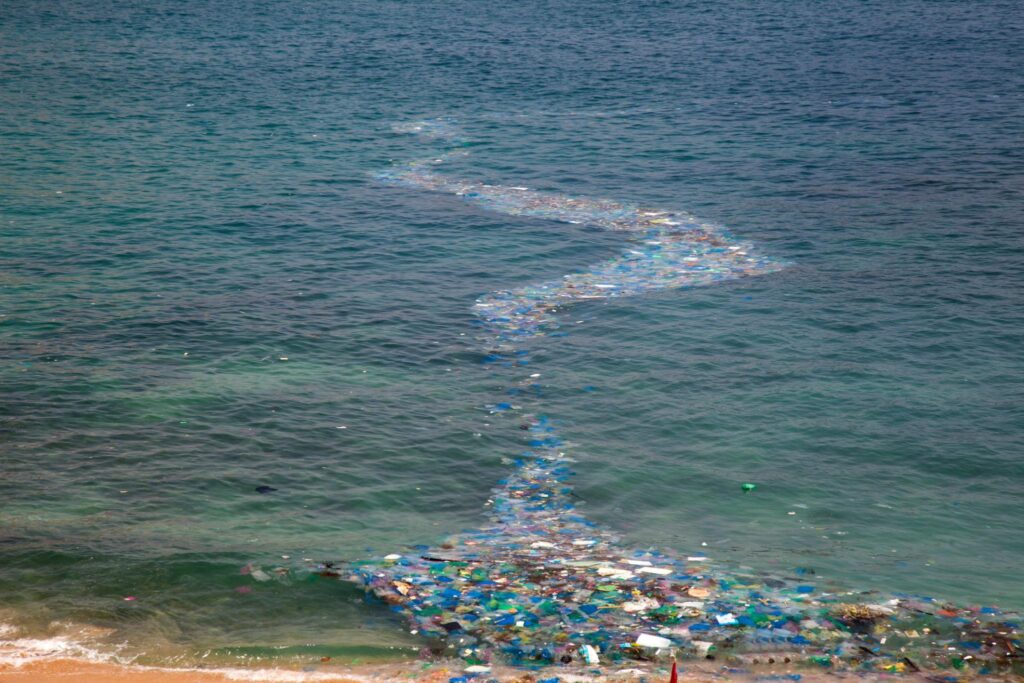
Plastic waste pollution is no longer just an environmental issue. Recent data show it is becoming a growing economic liability for Vietnam’s tourist destinations. As the tourism sector enters a new phase of rapid expansion, the downside of fast growth is becoming increasingly visible: rising waste management costs, damage to destination branding, and long-term risks to competitiveness.
Findings presented at a consultation workshop on plastic waste pollution in Vietnam’s tourism sector, jointly organized by the Chương trình Phát triển Liên Hợp Quốc and the Cục Du lịch Quốc gia Việt Nam, paint a sobering picture. Plastic waste is not only piling up in landfills and waterways, but also appearing in local balance sheets in the form of the “cost of inaction.”
Rapid Tourism Growth, Even Faster Growth in Plastic Waste
Vietnam is positioning tourism as a key economic pillar in its next development phase. The sharp rise in domestic and international visitors has driven demand for convenience-based consumption, where single-use plastics remain the easiest option. From bottled water and plastic bags to takeaway food containers and in-room amenities, disposable plastic products are generating enormous volumes of waste every day.
Surveys at tourist destinations show that visitors generate significantly more plastic waste than local residents. In coastal cities such as Da Nang, plastic waste generated by overnight guests is more than double that at eco-tourism destinations like Ninh Binh. Convenience-driven habits, especially the frequent use of bottled water throughout the day, make PET bottles one of the most common types of waste.
What stands out is that awareness of the environmental harm caused by single-use plastics in the tourism sector is already high. Most businesses and tourists understand the issue, yet behavioral change remains slow. Plastic is still cheap, convenient, and widely available, while alternative solutions are not yet common or cost-competitive enough.
When Pollution Becomes an Economic Burden
A key highlight of the research is the quantification of the “Cost of Inaction” related to plastic pollution. This concept goes beyond waste collection and treatment expenses. It also accounts for environmental degradation, overloaded infrastructure, and—most critically—damage to destination branding.
In Da Nang, the total estimated cost exceeds VND 1.7 trillion per year. A large portion comes from direct expenses for waste collection, treatment, and maintenance of infrastructure affected by plastic waste. However, the more concerning component is the “invisible” cost, as environmental degradation can gradually erode the city’s tourism appeal over time.
In Ninh Binh, while the total cost is lower in absolute terms, a different risk stands out: damage to the destination’s image. Most of the estimated losses stem from the possibility that visitors may choose not to return due to negative environmental impressions. For a locality that relies heavily on natural landscapes and heritage values, this is a serious threat.
Achim Steiner, Administrator of the Chương trình Phát triển Liên Hợp Quốc, has repeatedly emphasized in international forums that environmental costs, if not properly accounted for, quietly transform into long-term economic risks for countries dependent on natural resources and tourism. According to him, investing in pollution prevention is always far less expensive than dealing with the consequences.
From a development finance perspective, experts from the Ngân hàng Thế giới warn that coastal tourism cities across Asia are facing a growing cost spiral: more visitors mean more waste, which requires greater investment in treatment infrastructure, while tourism revenues themselves may erode if environmental quality declines.
Single-Use Plastics and Pressure on Destinations
Waste audits show that a small group of products accounts for most plastic waste, notably PET bottles, plastic bags, and foam food containers. At coastal destinations, single-use plastics dominate due to fast dining and outdoor activities. At heritage sites like Ninh Binh, bottled water is the main contributor, reflecting the habit of carrying drinks while sightseeing.
According to Inger Andersen, Executive Director of the Chương trình Môi trường Liên Hợp Quốc, single-use plastics have become a symbol of unsustainable consumption patterns in global tourism. She argues that without strong policies to change consumer behavior and redesign supply chains, famous destinations will gradually lose the very natural assets that make them attractive.
Shifting from Waste Treatment to Waste Prevention
A consistent message from both domestic and international experts is the need to shift focus from post-waste treatment to reducing waste generation at the source. This requires coordinated change across policy, infrastructure, and tourism business models.
Many countries have begun integrating plastic reduction criteria into sustainable tourism certification systems. Experts from Tổ chức Du lịch Thế giới note that linking plastic reduction requirements to accommodation ratings and green tourism labels creates stronger market incentives than relying solely on voluntary efforts.
In Vietnam, proposals to integrate plastic reduction targets into tourism quality assessment criteria and accommodation rating systems are seen as an important step forward. In this context, cutting single-use plastics, installing water refill stations, and adopting eco-friendly packaging would no longer be viewed merely as corporate social responsibility, but as factors directly linked to business competitiveness.
Investing in the Environment Means Investing in Brand Value
Representatives of the Chương trình Phát triển Liên Hợp Quốc in Vietnam stress that spending on plastic reduction solutions should not be seen as an additional burden. Instead, it is a strategic investment to protect destination image and long-term revenue. As global travelers become increasingly concerned about sustainability, clean and responsible destinations will gain a clear advantage.
This trend is also observed by tourism experts in Europe and North America. Many international surveys indicate that travelers are willing to pay more for environmentally friendly services—provided they see genuine commitments rather than superficial messaging.
For Vietnam, the issue of plastic waste in tourism is therefore not just an environmental challenge, but a test of its ability to transform its growth model. If addressed effectively, it could become an opportunity to reposition the country as a green, responsible, and high-quality destination. If action is delayed, economic and reputational costs will continue to accumulate quietly but persistently, season after season.
