
The rapid rise of electric vehicles and energy storage systems is reshaping the global energy landscape. At the center of this transformation, lithium-ion batteries have become a core technology, playing a pivotal role in the electrification of transport and the expansion of renewable energy. However, the growing volume of end-of-life batteries is also creating significant environmental and resource challenges.
A recent study by scientists at the Chinese Academy of Sciences, published in Nature Communications, introduces a “green” recycling method that uses only carbon dioxide and water. This approach can recover lithium with very high efficiency while significantly reducing the use of toxic chemicals and energy consumption.
As Vietnam accelerates its transition toward low-carbon development and green transportation, such technological advancements could carry important implications for the country’s future energy and industrial ecosystem.
The Growing Challenge of Battery Waste in the Electric Era
Over the past decade, lithium-ion batteries have become the foundation of many modern technologies. They are widely used in smartphones, laptops, electric vehicles, and large-scale energy storage systems for wind and solar power. Thanks to their high energy density and rechargeability, these batteries are essential to the global shift toward a low-carbon economy.
However, lithium-ion batteries do not last indefinitely. Under normal conditions, their lifespan typically ranges from five to eight years. After this period, their storage capacity declines significantly, making them unsuitable for electric vehicles or large-scale energy systems.
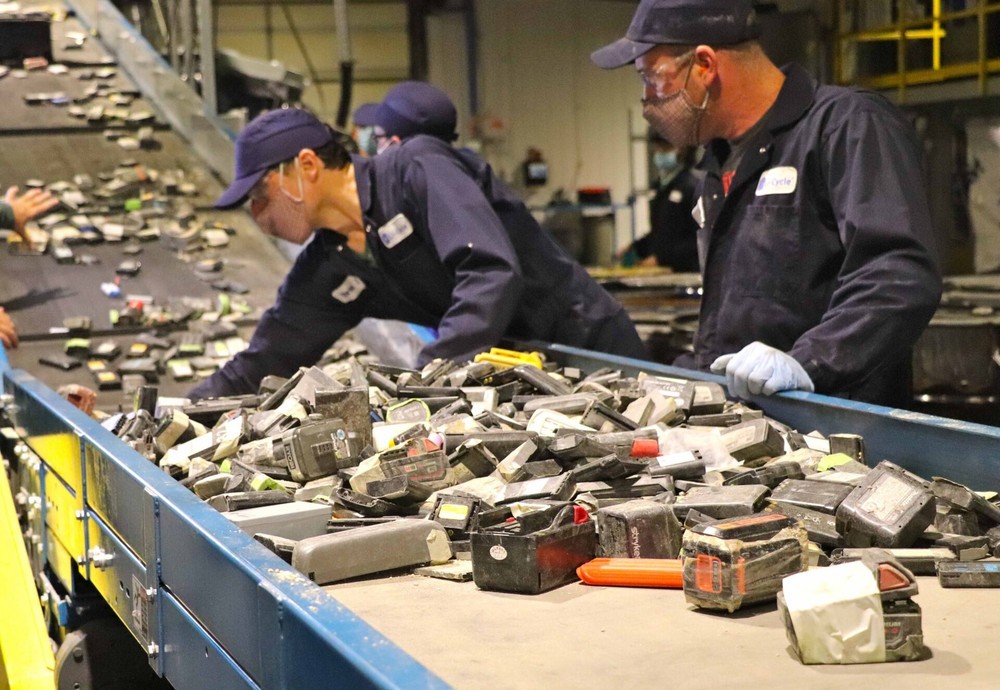
As electric vehicle adoption accelerates worldwide, the volume of discarded batteries is increasing at a similar pace. Experts warn that without effective recycling systems, the world could face a massive “battery waste crisis” in the coming decades.
Lithium-ion batteries contain valuable metals such as lithium, cobalt, nickel, and manganese. These are strategic materials for the clean energy industry. If not properly recovered, they are not only wasted but can also cause soil and water contamination due to the leakage of heavy metal compounds.
Beyond environmental concerns, this issue also affects supply chain security. As demand for batteries continues to surge, the availability of key materials like lithium and cobalt may become constrained unless recycling capacity is significantly expanded.
A “Bubble-Based” Recycling Method Using CO₂ and Water
To address these challenges, researchers have developed a novel recycling method described as a “bubble-based” process, due to its similarity to the carbonation mechanism in sparkling beverages.
Unlike conventional recycling technologies, this method uses only two simple components: carbon dioxide and water. This significantly reduces reliance on harsh chemicals typically used in existing processes.
The process begins by mechanically grinding the cathode material of spent batteries. This breaks down the crystal structure, allowing lithium ions to migrate to the surface and form a lithium-rich layer. Meanwhile, other metals such as nickel and cobalt remain largely intact within the original structure.
The material is then immersed in water, and CO₂ is injected into the solution. When dissolved, CO₂ generates hydrogen ions that react with lithium to form lithium bicarbonate.
According to the study, lithium recovery efficiency exceeds 95 percent, a remarkably high rate compared to many current recycling methods. The lithium bicarbonate solution can then be heated to produce lithium carbonate, a critical material for manufacturing new lithium-ion batteries. The resulting lithium carbonate achieves a purity level above 99.5 percent, meeting industrial standards.
Importantly, the process generates minimal waste. The remaining solid material can be reused as a high-performance catalyst for electrochemical reactions, further enhancing the value of recovered materials.
Moving Toward a Circular Battery Economy
Currently, the most common battery recycling methods are pyrometallurgy and hydrometallurgy. Pyrometallurgy involves smelting batteries at temperatures exceeding 1,000°C, which consumes large amounts of energy and generates emissions. Hydrometallurgy relies on strong acids to dissolve metals, producing significant volumes of chemical wastewater.
Compared to these approaches, the CO₂-based method offers clear advantages. It operates under milder conditions, reduces chemical usage, and minimizes environmental impact. It also has the potential to utilize CO₂ from industrial emissions, contributing to carbon reduction efforts.
This approach reflects a broader shift toward a circular economy in the battery industry. Instead of treating used batteries as waste, they are increasingly viewed as secondary resources that can be reintegrated into production cycles.
Implications for Vietnam’s Green Transport Strategy
For Vietnam, advancements in lithium-ion battery recycling carry particular significance as the country pushes forward with energy transition and green mobility goals.
In recent years, Vietnam’s electric vehicle market has begun to grow rapidly. Companies such as VinFast are expanding production and promoting EV adoption both domestically and internationally. This growth implies that the volume of lithium-ion batteries in circulation will increase substantially over the next decade.
Without a proper recycling infrastructure, end-of-life batteries could become a serious environmental issue. Developing a domestic battery recycling industry would help Vietnam mitigate this risk while creating a new segment within the clean energy value chain.
Beyond environmental benefits, recycling also reduces dependence on imported raw materials. Lithium, cobalt, and nickel are strategic resources, and global supply is concentrated in a limited number of countries. Recovering these materials from used batteries can enhance Vietnam’s long-term industrial resilience.
Green recycling technologies also align with Vietnam’s emissions reduction commitments made at COP26. If recycling processes can integrate industrial CO₂ emissions, they could simultaneously address battery waste and greenhouse gas reduction.
Opportunities to Build a Battery Recycling Industry in Vietnam
In the long term, investing in lithium-ion battery recycling could open the door to a new industrial sector in Vietnam. As the EV market expands, demand for battery recovery and processing will grow accordingly, creating opportunities for local companies to participate in the global battery supply chain.
An effective recycling ecosystem can deliver multiple benefits. It helps protect the environment, provides secondary raw materials for battery production, reduces import costs, and strengthens industrial self-reliance.
As the world transitions toward clean energy, green recycling solutions such as CO₂-based processes demonstrate strong potential in building more sustainable supply chains. For Vietnam, this is not only an environmental solution but also a strategic opportunity to support green transportation and develop a circular economy in the energy sector.
