
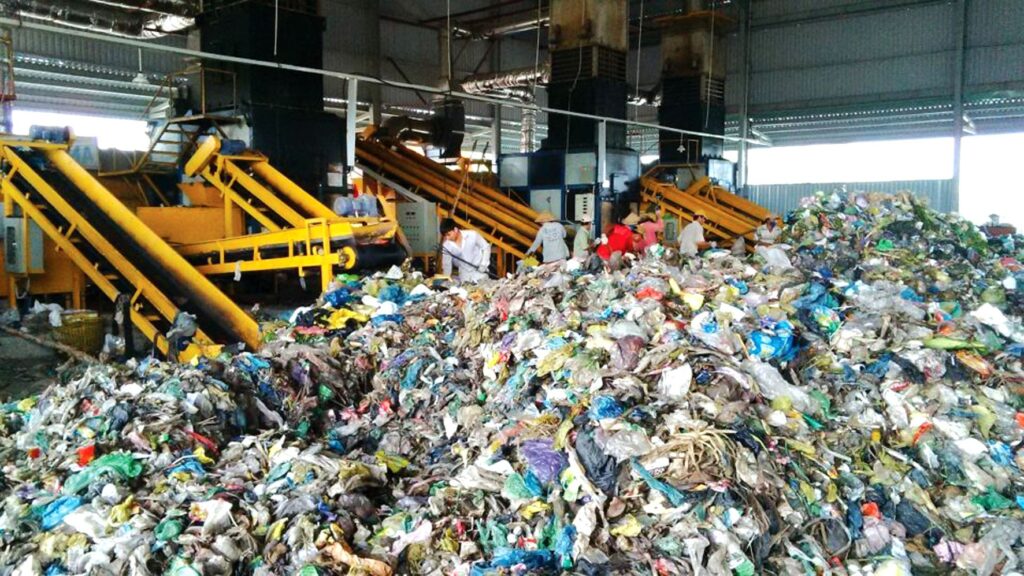
Every day, Vietnam generates nearly 70,000 tons of municipal solid waste. This figure reflects not only rapid urbanization and rising consumption but also places significant pressure on the country’s waste management system. Currently, most of this waste is still treated through landfilling, a method that not only wastes valuable resources but also poses long-term risks…
Monthly Archives: March 2026
News, Recycling News
ELV Forum Launched: A Turning Point Reshaping Europe’s Automotive Recycling Industry Toward Circularity
31
Mar
Mar
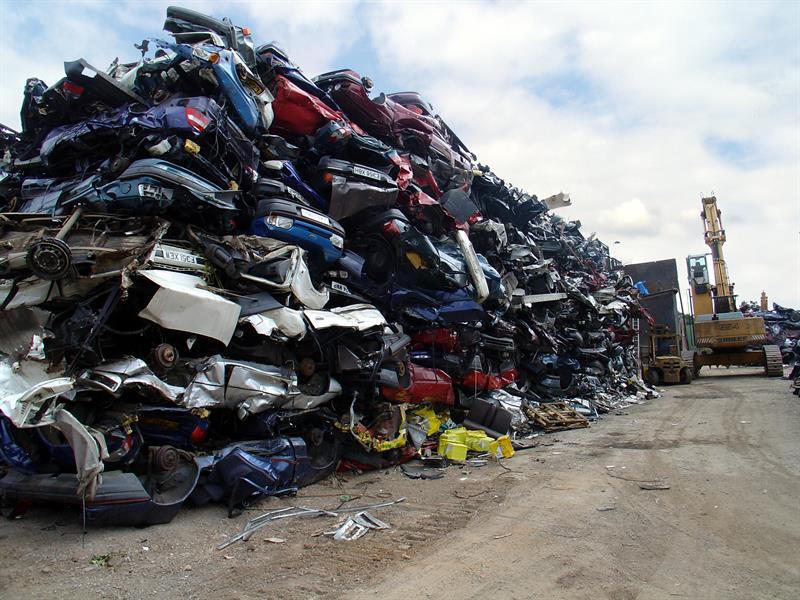
A new initiative in Europe is drawing significant attention across the automotive and recycling industries, as leading organizations join forces to build a more circular and sustainable ecosystem for end-of-life vehicles (ELVs). The international non-profit association ELV Forum has officially been established in Brussels, spearheaded by two extended producer responsibility (EPR) organizations: Febelauto and ARN….
News, Recycling News
France’s First Pyrolysis-Based Plastic Recycling Plant Goes into Operation: A New Step Toward a Circular Economy
31
Mar
Mar
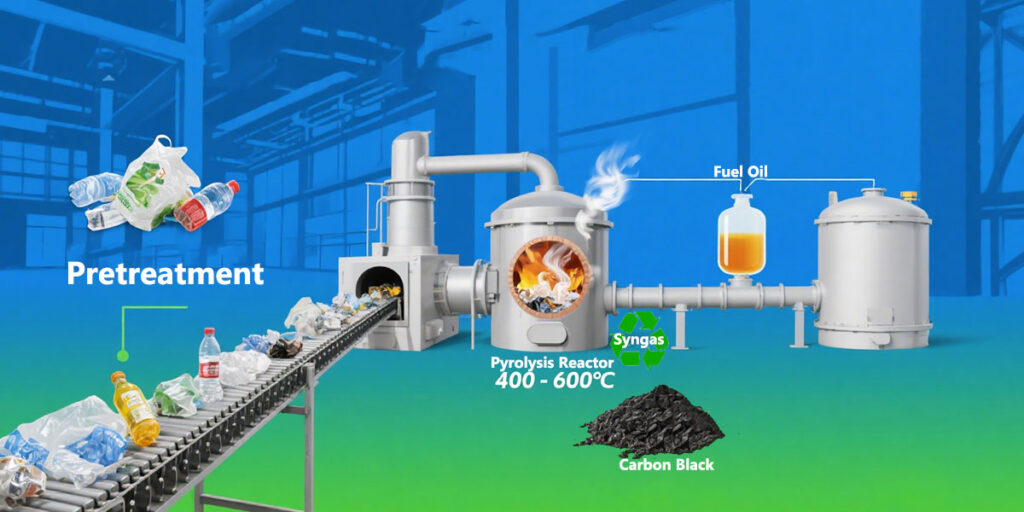
Energy giant TotalEnergies has officially launched operations at an advanced plastic recycling facility located at the Grandpuits industrial site, southeast of Paris. With an annual capacity of around 15,000 tonnes, the plant is considered the first large-scale pyrolysis facility of its kind in France, marking a significant milestone in transforming a traditional oil refinery into…
News
Global Green Standards Wave and Its Impact on Vietnam: From Compliance Pressure to Economic Transformation Opportunities
25
Mar
Mar
In recent years, the concept of “green standards” has shifted from a voluntary trend to a mandatory requirement in global trade and development. From Europe to North America and across Asia, countries are rapidly implementing stricter environmental regulations to control emissions, reduce waste, and promote circular economy models. This wave is not only reshaping production…
Recycling News
Lithium-ion Battery Recycling: A Key Enabler for Green Transport and a Circular Energy Economy in Vietnam
18
Mar
Mar
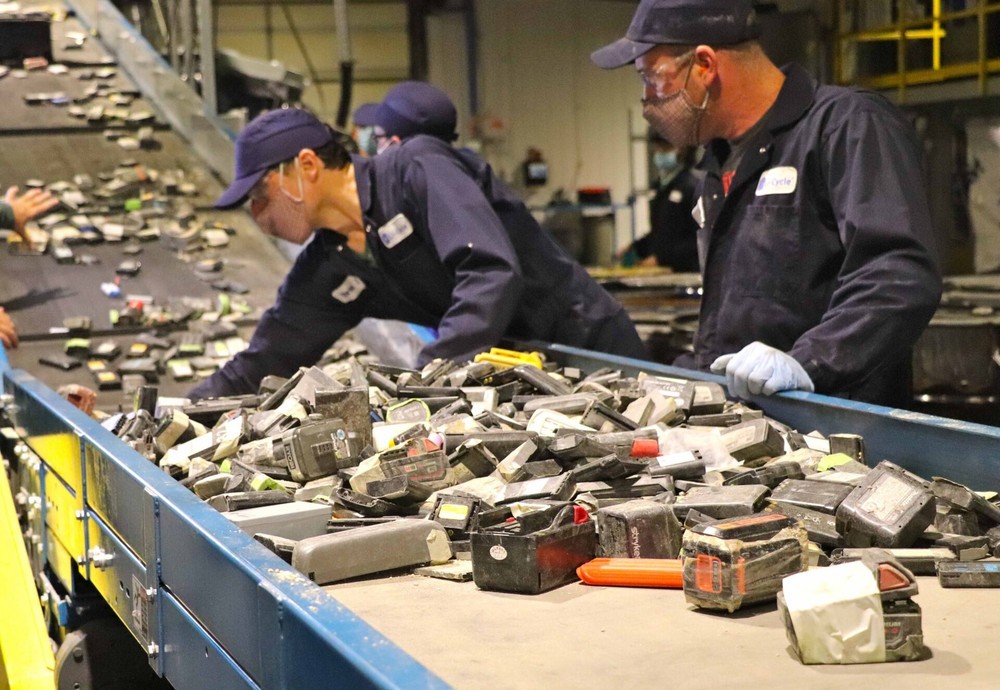
The rapid rise of electric vehicles and energy storage systems is reshaping the global energy landscape. At the center of this transformation, lithium-ion batteries have become a core technology, playing a pivotal role in the electrification of transport and the expansion of renewable energy. However, the growing volume of end-of-life batteries is also creating significant…
News
A Turning Point for Vietnam’s Carbon Economy: First 110 Industrial Facilities Receive Emission Allowances
10
Mar
Mar
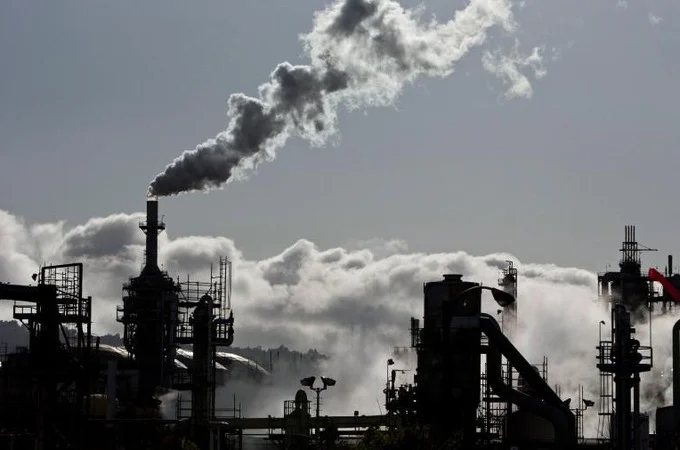
Vietnam is entering a significant phase in its efforts to manage greenhouse gas emissions. After years of preparing legal frameworks and building a national emissions inventory system, the government has begun piloting the allocation of greenhouse gas emission allowances to major industrial facilities. This policy is not only an environmental management measure but also a…
10
Mar
Mar
For many years, the concept of a green economy in Vietnam appeared primarily in national development strategies, climate commitments, and international environmental forums. In recent years, however, the country has entered a more decisive phase in which these strategic orientations are gradually being translated into concrete policies and practical implementation. From the development of a…
06
Mar
Mar
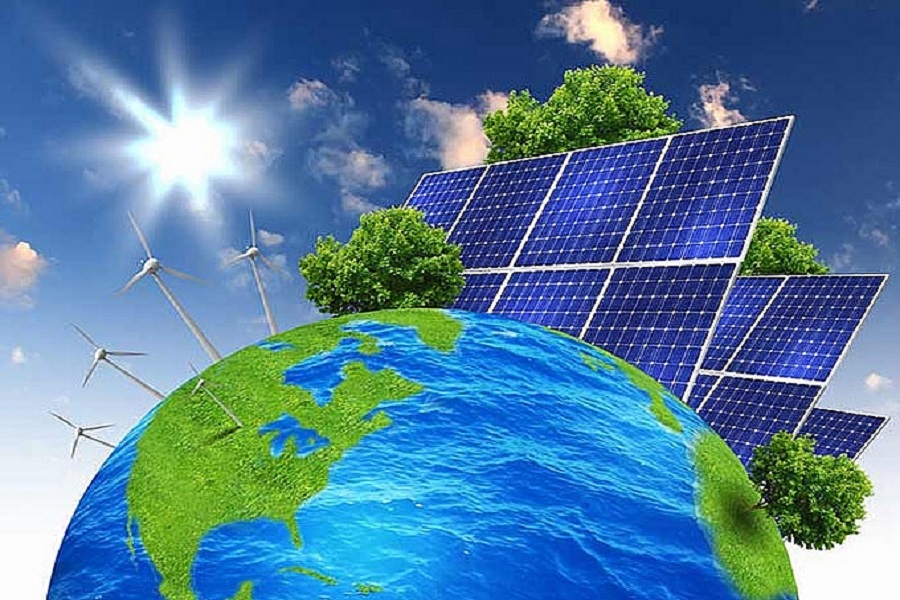
The transition toward a green and sustainable energy system is not merely a matter of technology or market dynamics. It is, above all, a process of institutional development. Over the past decade, Vietnam has gradually established a legal and policy framework aimed at promoting renewable energy, reducing emissions, and moving toward a low-carbon economy. These…