

Introduction
On September 30, 2025, the Vietnamese steel industry, particularly steel wire rope exporters, received official notification that the Ministry of Economy of Mexico (SE) had officially initiated an anti-dumping (AD) investigation into certain steel wire rope products imported from Vietnam and Malaysia. This decision, as announced by the Vietnam Trade Remedies Authority (Ministry of Industry and Trade), is not only a significant legal and commercial challenge but also an opportunity for Vietnamese businesses to affirm their transparency and fair competitiveness in the international market. This case demands close cooperation, sharp defense strategies, and thorough preparation from all related parties.
I. Overview of the Anti-Dumping Investigation Case
A. Subject Products and Related Parties
The case was initiated based on a complaint filed by the plaintiff, Deacero, S.A.P.I. de C.V. – a major steel producer in Mexico.
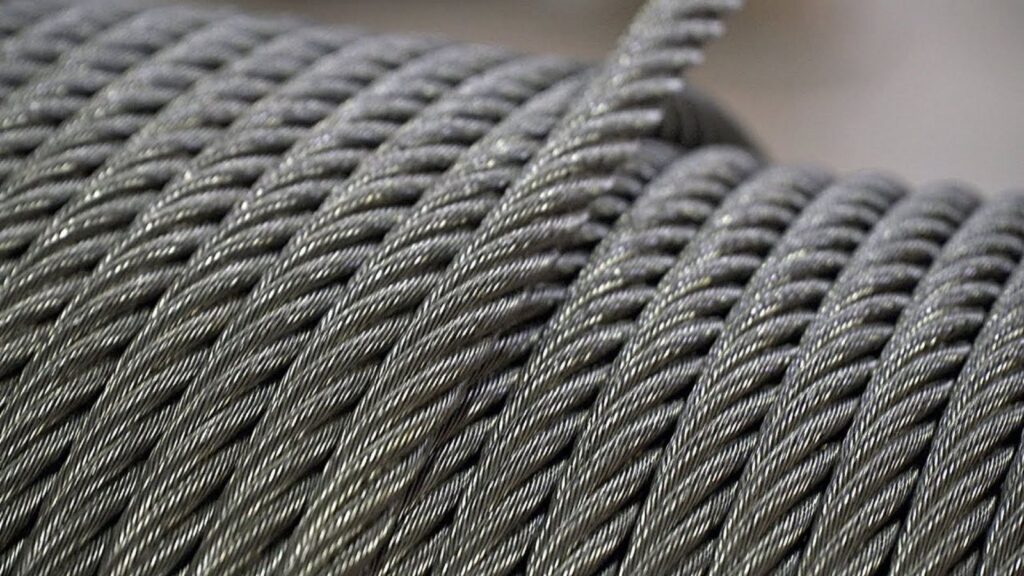
The product under investigation is steel wire rope, defined as a collection of steel strands twisted helically around a core. Steel wire is the basic component of the wire rope structure.
Product Scope:
- Diameter: Ranging from 3.18 to 79.38 millimeters (or 1/8 to 3 1/8 inches).
- HS Codes: 7312.10.01, 7312.10.05, 7312.10.07, and 7312.10.99.
Countries under Investigation: Malaysia and Vietnam.
B. Investigation Periods
- Anti-Dumping Investigation Period (POl): From January 1, 2024, to December 31, 2024. This is the phase during which the investigating authority will analyze data on export prices from Vietnam/Malaysia compared to the normal value (selling price in the Mexican domestic market or another reference price) to determine the dumping margin.
- Injury Investigation Period: From January 1, 2022, to December 31, 2024. This is the phase during which the investigating authority will assess whether the domestic industry in Mexico suffered significant material injury or threat thereof due to the volume of alleged dumped imports.
C. Methodology for Calculating Normal Value
Mexico has announced its intention to use reference prices from domestic sales transactions in the investigated country to calculate the normal value. This means the SE will compare the export price from Vietnam/Malaysia to Mexico with the price of the like product in the Vietnamese/Malaysian domestic market to determine if dumping is occurring.
II. Analysis of the Trade Context and Import Data
A. Trend of Import Growth
Mexico’s initiation notice highlights critical data regarding the significant increase in steel wire rope imports into the country. The total volume of imported products under investigation increased by 24% during the injury investigation period (January 1, 2022, to December 31, 2024), specifically:
- A 14% increase in 2023.
- A 9% increase in 2024.
This increase forms a crucial basis for the Mexican plaintiff’s accusation that there is a causal link between the dumped imports and the injury to the domestic industry.
B. Structure of Supply Sources
While Vietnam is under investigation, it is important to note the structure of the main import sources into Mexico during the investigation period:
- Malaysia: 21% (Main import source)
- Vietnam: 17% (Second largest)
- United States: 12%
- India: 10.4%
- South Korea: 10%
- Thailand: 9%
- Germany: 6%
The fact that Vietnam holds a 17% market share and is the second-largest source is the main reason Vietnamese companies have become targets. However, the diverse distribution of supply also suggests that Vietnam is not the sole factor impacting the Mexican market.
III. Key Steps and Important Deadlines
The case has entered the official investigation phase, requiring prompt and precise action from Vietnamese businesses.
A. Registration as an Interested Party
- Deadline: 23 working days after 5 days of publication of the notice (counting from September 30, 2025).
This is a mandatory step for exporting/producing businesses of the investigated product to gain legal standing to participate in the investigation, receive official notices, and submit their questionnaire responses.
B. Submission of the Investigation Questionnaire Response
- Deadline: Before November 7, 2025 (Mexico time).
The Mexican Ministry of Economy has sent the investigation questionnaires to relevant Vietnamese enterprises to gather data for the investigation. This is the most critical document, where businesses provide detailed data on their cost structure, production, domestic selling prices, export prices, and related financial information. Responding fully, truthfully, and on time is a determining factor in the investigation’s outcome.
IV. Recommendations and Response Strategies for Vietnamese Businesses
The Vietnam Trade Remedies Authority (Ministry of Industry and Trade) has provided timely recommendations, serving as a guide for businesses. To respond effectively, businesses need to implement a multi-faceted strategy:
A. Monitoring and Understanding Regulations
- Close Monitoring: Keep a close watch on the developments of the case and official notices from the Mexican Ministry of Economy and the Vietnam Trade Remedies Authority.
- Regulation Research: Proactively research and thoroughly understand Mexico’s anti-dumping investigation regulations, procedures, and processes. Clearly understanding the principles for calculating the dumping margin (especially how Mexico determines the normal value) is key to formulating an appropriate defense strategy.
B. Maximum Cooperation with the Investigating Authority
- Full Information Provision: Prepare and provide all data, accounting records, and transaction documents accurately and truthfully.
- Full Cooperation: Any action indicating non-cooperation or insufficient cooperation may lead to severe consequences. The Mexican investigating authority has the right to use Adverse Facts Available (FA) or even apply the highest alleged duty rate to non-cooperating businesses.
- Due Diligence: Consider hiring professional legal consultants with experience in trade remedy cases in the North American market to cross-check data and ensure the questionnaire response complies with Mexican legal requirements.
C. Developing a Suitable Defense Strategy
Businesses need to establish a specific defense strategy, focusing on two main elements:
- Denial of Dumping: Prove that the export price to Mexico is fair and not lower than the normal value in the Vietnamese domestic market. Clarify all cost components, domestic selling prices, and adjustments (e.g., adjustments for level of trade, terms of sale, taxes, etc.) to ensure a fair comparison.
- Denial of Injury and Causal Link: Present arguments and evidence demonstrating that:
- Imports from Vietnam are not the primary cause of injury to the Mexican industry.
- Import growth from other sources (such as Malaysia, the US, India, etc.) is the more significant factor.
- Injury to the Mexican industry may be due to other factors such as economic recession, internal competition, technological changes, or inefficient management.
D. Coordination with the Trade Remedies Authority
Regularly coordinate and update information with the Vietnam Trade Remedies Authority (Ministry of Industry and Trade) to receive timely support from the state management agency, including assistance with procedures, information, and overall strategy for the industry.
V. Conclusion
The anti-dumping investigation on steel wire rope by Mexico serves as a reminder of the inherent risks in international trade, especially for high-growth key export items like Vietnamese steel products.
With a 24% increase in total imports into Mexico over three years, and its position as the second-largest supply source, Vietnam must address this case seriously and proactively.
The deadline for submitting the questionnaire response, November 7, 2025, is fast approaching, placing significant pressure on businesses. Only through thorough data preparation, comprehensive cooperation with the Mexican investigating authority, and a robust defense strategy can Vietnamese businesses prove their integrity and transparency, protect their legitimate export rights, and continue to maintain their position in the promising Mexican market. Overcoming this challenge will be an opportunity for the Vietnamese steel industry to strengthen its competitive position and enhance its capacity to comply with international trade remedy rules.
