
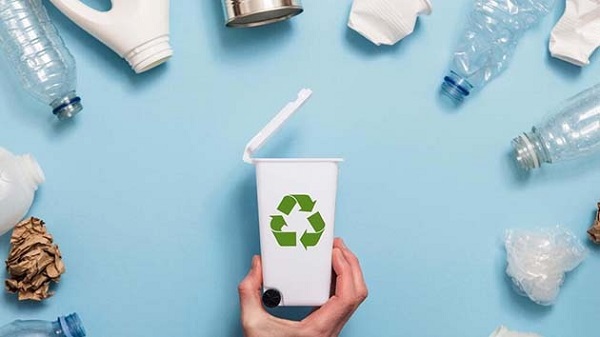
Plastic pollution has become a global crisis, threatening the environment, human health, and the economy. Over 460 million tons of plastic are produced annually, with approximately 20 million tons leaking into the environment. According to the OECD, without strong solutions, plastic waste is projected to reach 1.7 billion tons by 2060, causing cumulative damages of up to $281 trillion.
Plastic pollution is also closely linked to climate change. The entire lifecycle of plastic, from production to disposal, is estimated to account for about 4% of total global greenhouse gas emissions. Reducing plastic is not just about environmental protection but is also an essential strategy for cutting greenhouse gas emissions.
Causes of the Negotiation Stalemate
The final negotiation session of the Intergovernmental Negotiating Committee (INC-5.2) failed due to deep disagreements over strategy and interests:
- Conflict over approach: One side (primarily small island nations and the EU) wanted the treaty to focus on controlling the entire plastic lifecycle, including reducing virgin plastic production. The other side (oil-exporting nations and countries with developed plastic industries) prioritized waste management and recycling solutions. They were concerned that limiting production would harm their economies.
- Financial disagreement: Developing countries, which bear the burden of pollution but lack infrastructure, demanded the creation of a new, independent financial fund for support. In contrast, many developed countries wanted to use existing financial mechanisms, a proposal seen as insufficient to address the problem.
- Consensus rule: The rule requiring absolute consensus for every decision allowed some nations to use a de facto veto, slowing progress and watering down the terms.
- Industry influence: Petrochemical and plastic corporations lobbied heavily to promote solutions that are safe for their existing business models, such as chemical recycling, even while experts warned about their effectiveness and cost.
Expert Opinions and the Path Forward
The failure at INC-5.2 has raised many concerns. A leading expert in the circular economy, Dame Ellen MacArthur of the Ellen MacArthur Foundation, commented: “Every day of delay means we waste another opportunity to transform. The solution isn’t just better recycling; it’s redesigning the entire system. We need a treaty with strong provisions to eliminate what we don’t need, innovate to create what we can circulate, and build a system to keep everything in the economy.”
According to environmental scientist Dr. Sarah-Jeanne Royer from the Scripps Institution of Oceanography, this stalemate will cause the world to continue its slide into “plastic consumption and production inertia,” increasing disposal costs and putting marine ecosystems at risk of collapse. She emphasized: “We are gambling with the future of the ocean for short-term economic gains.”
Despite the impasse, this is not the end. International experts have proposed several parallel paths to move forward:
- Restructure negotiations: The negotiation process needs reform, possibly by adopting a majority voting mechanism for critical provisions to prevent a “minority blocking the majority.”
- Unilateral and regional action: Major economic blocs like the EU can lead the way with strict regulations, creating a ripple effect and setting new standards for the global market.
- Private sector and civil society initiatives: Pressure from consumers and investors is compelling large businesses to commit to their own reduction and product innovation efforts, demonstrating the growing importance of bottom-up initiatives.
- Redefine growth: This stalemate shows that the “take-make-dispose” model is no longer sustainable. A green economy requires a fundamental shift to a circular economy, where waste is eliminated from the design stage.
The failure at INC-5.2 is a reminder that the path to green development is not easy and requires a comprehensive change in mindset, interests, and responsibility.
