
Syre Group plans to invest $1 billion to build a fabric recycling complex in Binh Dinh, aiming to make Vietnam the first global hub for circular, high-tech textile and garment production.
During a meeting with Prime Minister Pham Minh Chinh on April 23, Ms. Susanna Campbell, Chairwoman of Sweden’s Syre Group, stated that the group intends to invest approximately $1 billion in a fabric recycling complex in Vietnam.
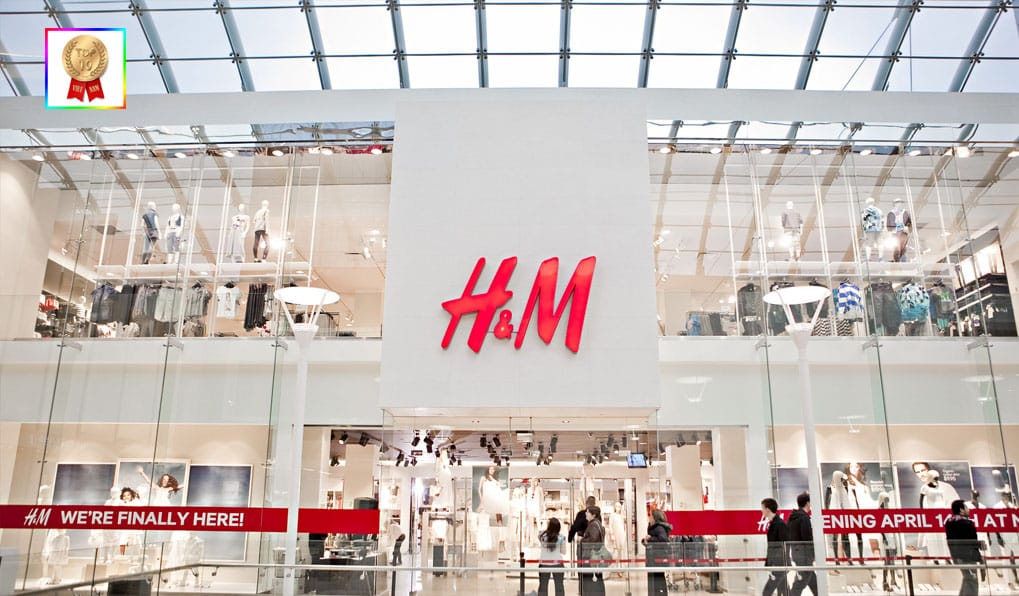
Syre Group, a subsidiary of H&M Group and tech investment firm Vargas, specializes in recycling textile waste. Syre aims to create a global circular textile ecosystem through large-scale, high-tech recycling centers that use renewable energy.
According to Ms. Campbell, the group’s goal is to establish major recycling complexes in strategic regions worldwide, including Vietnam.
Syre plans to invest in a polyester fabric recycling complex in Binh Dinh with a design capacity of up to 250,000 tons per year. The project is expected to begin operations by late 2028, with the goal of making Vietnam the first global hub for circular, high-tech textile production that meets U.S. and EU standards.
During the meeting, Prime Minister Pham Minh Chinh praised the project’s focus on green and clean production, which will utilize textile waste and contribute to environmental improvement. He noted that Syre’s project aligns with Vietnam’s strategy of diversifying markets, products, and supply chains to adapt to new global changes.
The Prime Minister highlighted that Binh Dinh has an excellent investment environment, is a center for clean energy (wind and solar power), and possesses a synchronized infrastructure system (expressways, international airport, and deep-water seaports) as well as a favorable environment and climate.
He instructed Binh Dinh province and relevant ministries to coordinate closely with the group during the project’s implementation. The Ministries of Finance, Industry and Trade, and Agriculture and Environment were asked to guide the necessary procedures and work with the province to resolve any difficulties for the investor.
The government leader requested that Syre, when implementing the project, prioritize using local green materials such as lotus fiber and jute fiber, and consider using fabric scraps and discarded clothing generated within Vietnam as production materials.
In response, Chairwoman Susanna Campbell and other Syre leaders expressed their confidence that Vietnam will be a global leader in the development of the circular economy.
Syre’s representatives explained that they chose Vietnam as a strategic investment location due to its strong development in green energy and its robust textile industry. Syre committed to maximizing the use of local raw materials and strengthening its supply chain and production within Vietnam.
Also at the meeting, Swedish Ambassador Johan Ndisi stated that Swedish businesses are eager to cooperate, invest, and conduct long-term business in Vietnam. The Swedish side proposed collaborating with Vietnam on green transition and becoming Vietnam’s Comprehensive Strategic Partner in science and technology, innovation, and digital transformation.
